
Osteoarthritis is the UK’s most common form of arthritis1 and can cause joint pain and stiffness. The good news is that there are plenty of effective ways to manage symptoms and continue living life to the fullest.
Edward Durrant, musculoskeletal physiotherapist and clinical case manager at AXA Health, highlights that the most effective approach focuses on self-management. This means doing what you can to preserve function and mobility of joints, like regular exercise, controlling body weight and treating injuries as and when they occur.

Explore our muscles, bones and joints hub
From back pain, arthritis or osteoporosis to shoulders, knees and toes – our articles can help you manage your aches and pains effectively, so you can carry on doing what you love.
What is osteoarthritis?
Osteoarthritis develops when joints lose their natural ability to maintain and repair themselves effectively. This deterioration triggers structural changes within the joint that often result in discomfort.1
In a healthy joint, bones are covered with a resilient, low-friction material that enables smooth gliding movement at their connection points. With osteoarthritis, this protective coating gradually wears down and loses its smooth surface. This degradation can cause:
- Bony growths that may limit movement or create friction with surrounding structures.
- Inflammation and fluid buildup.
- Weakening of the tissues surrounding the joint, reducing its structural support and stability.
Many joints continue functioning well despite these structural modifications. As we age, most people experience some degree of joint changes, though they may go unnoticed.
However, these alterations sometimes lead to stiffness and inflammation. If the protective coating deteriorates significantly, the underlying bones can make direct contact with each other – a situation that typically causes considerable pain.1
Pain can lead people to move less, which may reduce strength and confidence. Staying as active as possible with an appropriate exercise plan can help pain and function.
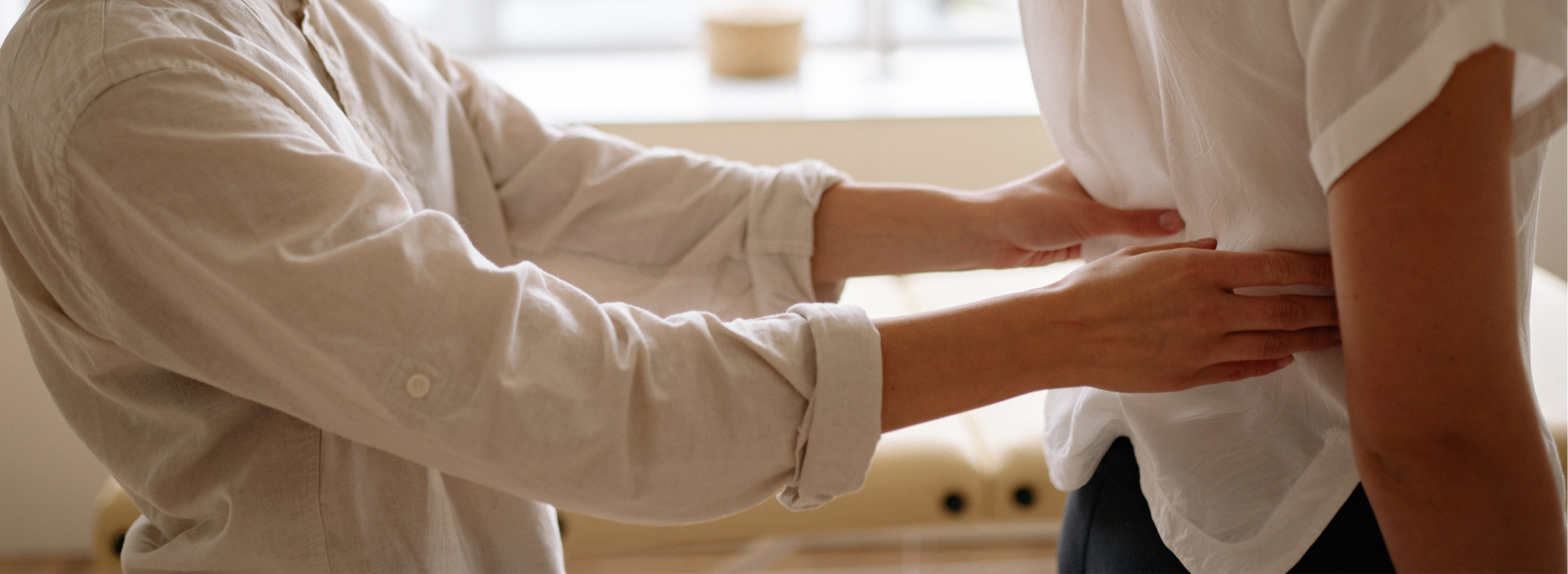
A physiotherapist can help tailor therapeutic exercise. If you have a flare up, they can also help you find ways to stay active and manage symptoms.
If you have osteoarthritis, management should be guided by your symptoms, function and preferences – not by scan or X-ray findings alone.2
Self-help tips to help manage your symptoms:
Tip one: Manage your weight (for lower limb and spinal arthritis)
If you have arthritis in your lower limbs or spine, managing your weight is one of the most impactful steps you can take. Pairing this with regular exercise and choosing the right footwear can reduce the need for medication, injections, and even help prevent surgery.2
Ossur bracing might be helpful for specific types of arthritis in the knee.
Tip two: exercise and building muscle strength
Therapeutic exercise, including local muscle strengthening and general aerobic fitness, is recommended for everyone with osteoarthritis and should be tailored to the person.2
Regular movement and therapeutic exercise can reduce pain and improve function. Choose activities you enjoy, such as walking, cycling or water-based exercise, and build up at a comfortable pace.
Water-based exercise can be a comfortable option for some people because buoyancy reduces weight-bearing. It is one way to stay active, rather than a treatment that is necessary for everyone.
Warm-water exercise may feel comfortable for some people, but access and suitability vary. The important principle is regular, tailored therapeutic exercise.2
>Read more Being active with arthritis
Tip 3: Find joy in movement
If formal exercise is not your thing, choose enjoyable movement such as dancing, tai chi, yoga or even a gentle dog walk with friends or family, adapting the chosen activity to your symptoms and balance.
Choose movement that is enjoyable and sustainable. A physiotherapist can help tailor an activity plan if symptoms make this difficult.
To supplement or not to supplement...
Some supplements are marketed for osteoarthritis, including glucosamine, chondroitin, fish oil, rosehip and green-lipped mussel. Evidence is uncertain or limited. NICE advises not offering glucosamine for osteoarthritis because there is no strong evidence of benefit.2
Do not assume that “natural” means safe. Discuss supplements with a pharmacist or clinician, particularly if you take other medicines or have long-term conditions.
When to consider joint replacement
If arthritis severely impacts your daily life to the point where activities like dressing or moving around become a constant struggle, joint replacement may be considered as a final option.
However, it's a significant decision. A surgeon will typically only recommend a joint replacement if symptoms substantially affect quality of life and non-surgical management is ineffective or unsuitable.2
If your natural joint is still functional, the guiding advice is always to preserve it and keep it going.
5 common themes and their relationships with osteoarthritis:
1. Posture
There is no single ideal posture that prevents osteoarthritis. Varying position, building strength and staying physically active are the most useful goals.3
2. Footwear
Choose footwear that is comfortable, stable and appropriate for the activity. There's no strong evidence that a particular shoe prevents osteoarthritis; seek podiatry or physiotherapy advice if footwear is contributing to symptoms.2
3. Core stability
Strength and balance activities, which may include Pilates when appropriate and enjoyable, can support general fitness. They should not be presented as proven prevention of osteoarthritis.
4. Weight control
Living with being overweight or obesity can increase load on weight-bearing joints and is associated with osteoarthritis risk. If you want support with weight management, speak to a healthcare professional or use an evidence-based service.
5. Exercise regularly
Exercise is essential for overall mental and physical health. It will help strengthen muscles around joints and can really boost your overall sense of wellbeing – or your feelgood factor, as we like to call it!
Although regular physical activity supports general health and can help maintain strength and function, it does not guarantee prevention of osteoarthritis, but it is a core part of managing established osteoarthritis.2
Exercising outdoors boosts the benefits of exercising still further, as our article explains. If you’re struggling to get started with physical activity, take a look at Getting active your way for lots of ideas on how to get moving more in a way you enjoy.
If you have new, severe or rapidly worsening joint symptoms, a hot swollen joint, or are unsure how to start because of other health conditions, seek advice from a clinician. Otherwise, start gently and build up gradually.
References
- Osteoarthritis – NHS
- Osteoarthritis in over 16s: diagnosis and management – National Institute for Health and Care Excellence
- No consensus on causality of spine postures or physical exposure and low back pain – Journal of Biomechanics