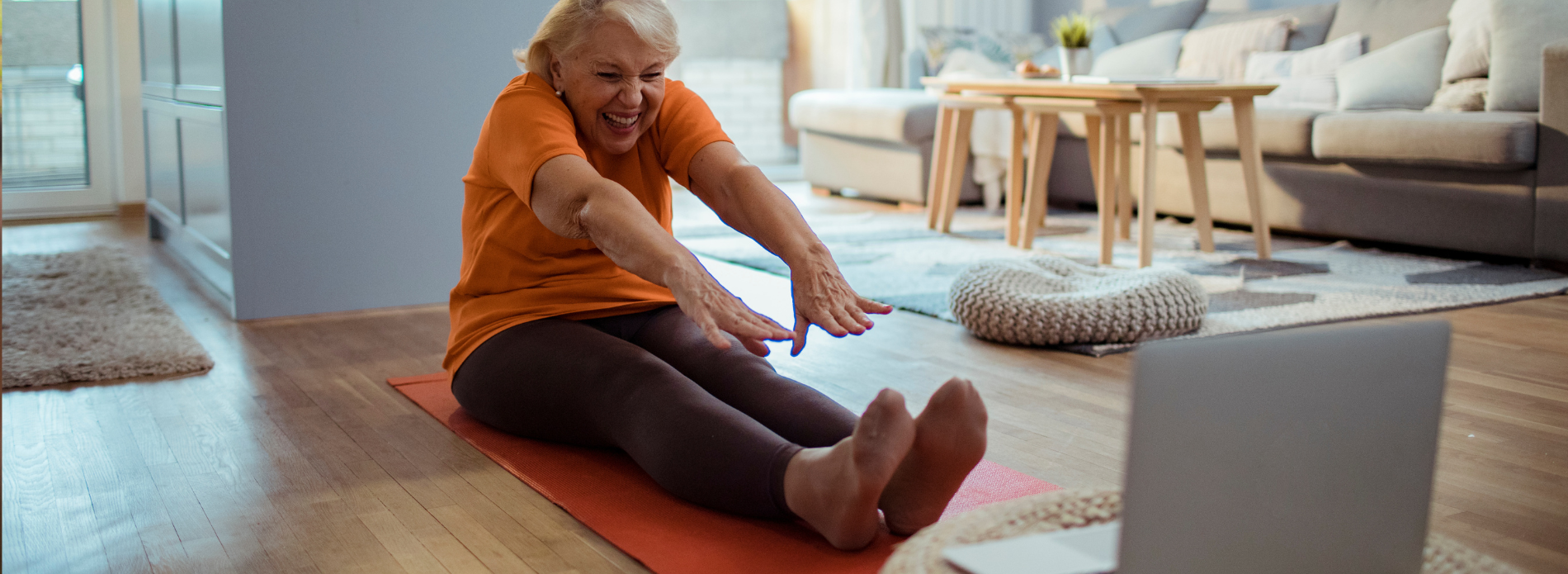
We tend to think exercise is mainly for the benefit of our bodies, but being active is great for our mental wellbeing too. Regular physical activity is linked to lower stress levels, better sleep, improved mood, and higher energy.1 It can also help you feel more confident and resilient when life can get overwhelming.
Every May, Mental Health Foundation organise Mental Health Awareness Week,2 a campaign that highlights the importance of good mental health. This year the focus was on action – and having a simple fitness routine is a brilliant way to take action for your own emotional and mental wellbeing.

Flexible multi-gym membership with Hussle
AXA Health members can get up to 40% off Hussle's Monthly+ pass for anyone covered on their AXA Health private healthcare membership, with no sign-up fee and no annual contract. With access to multiple gyms from a network of 1,500+ gyms, pools and spas. Terms apply.
7 ways being active can help your mental wellbeing
Fitness doesn’t have to mean solo gym workouts or long runs (unless that’s what you love to do). Any kind of exercise, physical activity, sport, or active hobbies (hiking, cycling, etc.) can support better mental health in lots of different ways – physically, emotionally, and socially.
1. Reduces stress levels
Even a short session of movement helps lower stress hormones and gives your mind a break from daily pressures.1
2. Boosts mood
Exercise encourages the release of endorphins - often called “feel-good” hormones - which can naturally lift your mood.3
>Read more about the link between exercise and mental wellbeing
3. Improves sleep
Regular activity is linked to longer, deeper sleep, which helps you be more emotionally resilient the next day.4
4. Builds confidence
Fitness is one of the few things in life that you can’t ‘shortcut’ or 'cheat.' When you set yourself a goal and turn up and achieve it, you’re helping to build up a real sense of self-respect, confidence, and self-trust.
5. Supports focus and clarity
Even light exercise can help improve concentration and help reduce mental fog, especially after long periods of screen time.
>Read more about when taking a break from your screen might be needed
6. Creates space for yourself
Fitness gives you time away from work, screens, and daily stresses for a valuable mental reset, even on busy days.
7. Encourages social connection
Group fitness activities like team sports and exercise classes can help reduce feelings of isolation and improve wellbeing through shared experiences.
How to choose exercise for emotional wellbeing
One of the best things about today’s fitness market is the amount of choice it offers. There’s no right way to be active, and if you choose a routine you enjoy, then you’ll be more likely to stay consistent.
For anyone who is already facing challenges with their mental wellbeing, “failing” at a fitness routine can be a huge knock to self-esteem. Starting small is the best way to help protect your mental space.
For those who are new to the gym or for those where fitness doesn’t come most naturally, the first sessions may feel especially challenging without visible reward. However, try to look out for early improvements in mood and energy.
By choosing activities that you enjoy, you’ll ensure that every session represents a success, rather than a chore that results in feelings of guilt.
You might prefer:
- Gyms – for structure, equipment, and routine.
- Group fitness classes – like yoga, spin, dance, or HIIT.
- Team sports – great for motivation and social connection.
- Outdoor activity – walking, running, cycling, or hiking.
- Trying something new – climbing, swimming, martial arts, or anything that keeps things interesting.
- Returning to something you used to love – a childhood activity or teenage sport.
How group fitness can support mental wellbeing
Being active with other people – whether that’s through a running club, team sport, group exercise classes, or informal walks with friends – adds even more benefits to the exercise you’ll get.
Shared activity can:
- reduce feelings of isolation or disconnection,
- build motivation and add enjoyment,
- give you a ready-made accountability partner,
- encourage social interaction without pressure.
Even if you’re not particularly social, being around others can create a sense of routine and shared experience that supports wellbeing without feeling forced.
This is especially important if you travel for work, work from home, or are recently retired and missing the daily interaction of work.
Fitness and routine: why structure matters for mental health
One of the most underrated benefits of fitness is the structure it brings to your week.
Having a regular activity – whether it’s a lunchtime walk, weekly class, or after-work gym session – can anchor your week around a healthy habit, and create a natural boundary between work and personal time.
Where to start: making fitness work for you
If you’re thinking about getting more active, start small and keep it realistic – not to make it easy, but to keep up that promise to yourself.
The most important thing is to find something you enjoy. Don’t set the bar too high and risk failure, set achievable goals that feed the fire to persist.
A few simple ways to begin:
- Choose one activity you think you’d like.
- Find when and where to do it.
- Start with 1-2 sessions a week.
- Book the sessions (if applicable).
- Mix movement into your day (walks, short sessions, stretching).
- Try different classes or activities until something clicks.
- Aim for consistency, not perfection.
Mental wellness isn’t just about how we think – it’s also about how we move, eat, rest, and recover. Having a fitness routine can play a powerful role in helping you feel more balanced, more energised, and generally happier.
And during Mental Health Awareness Week, it’s a good reminder that taking action can be as literal as being active.
References
- The mental health benefits of physical activity – NHS
- Mental Health Awareness Week – Mental Health Foundation
- Why Exercise Boosts Mental Health – Science News Today
- Exercise and Sleep – The Sleep Foundation