Sciatica is the name given to pain and/or pins and needles that originates from the sciatic nerve. A long and thick nerve that runs from your lower back, through your buttock and down the back of the thigh, before splitting into sections down the back of the leg to the foot.
Compression or irritation at any point of this nerve can lead to sciatica. Sciatica is therefore a broad term that is used to describe symptoms. Health professionals aim to determine where the irritation is originating from, to diagnose and treat, but many sciatica conditions resolve without any medical attention. In some cases, you may require help to manage it.

Bothersome back or painful joints?
If you're a member, you can get the support you need with a video or phone appointment with a physiotherapist or specialist, without a GP referral. Available for our members aged 18 and over.
How to recognise sciatica
Understanding the signs and symptoms of sciatica is important, in order to seek appropriate medical attention. Symptoms and signs might include:
- Sharp pain (rather than a throbbing or dull ache) that extends from the lower back or the buttock, thigh and often down the back of your leg to the foot.
- Weakness in the leg or foot.1
- Pressure, numbness, pins and needles, burning and/or shooting sensations in the leg or foot.
It is with noting that pain may develop suddenly or develop gradually over a period of time.
How is sciatica diagnosed?
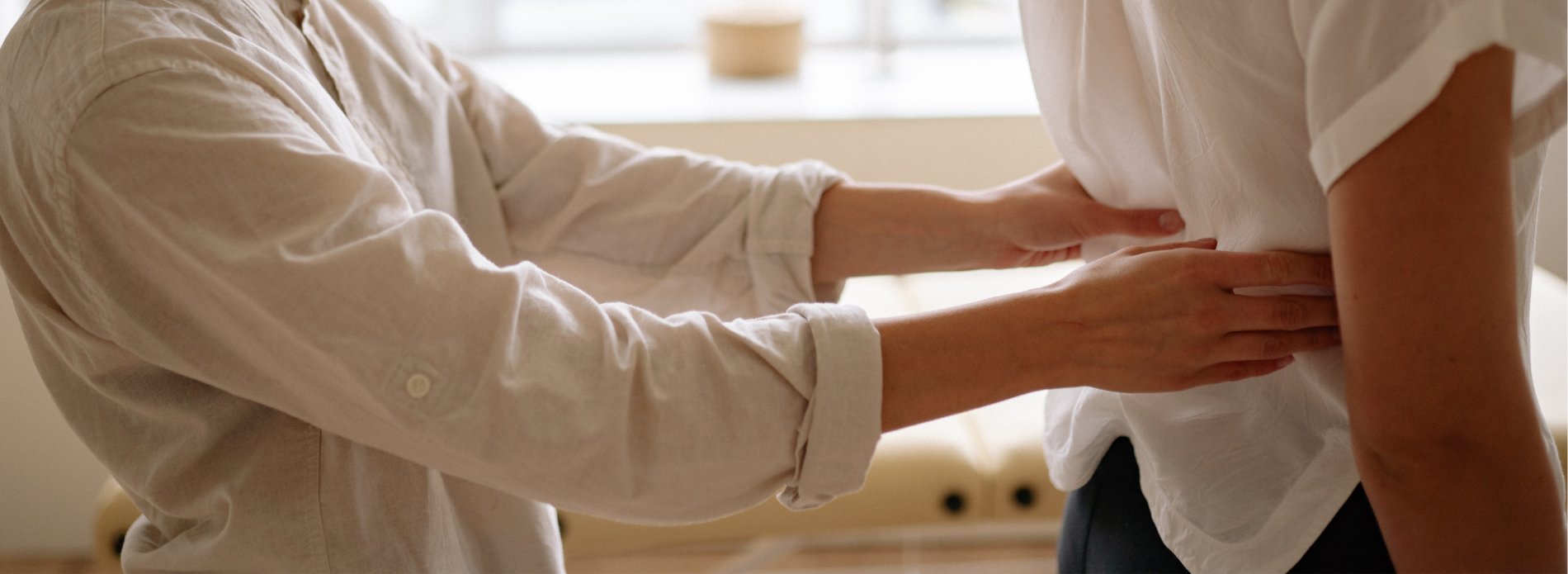
A thorough history of the condition will give a healthcare professional an indication of where your sciatic pain may be originating from. A combination of history and further physical assessment can diagnose sciatica and inform a management plan.
This plan will usually include pain management and self-management or physiotherapy.
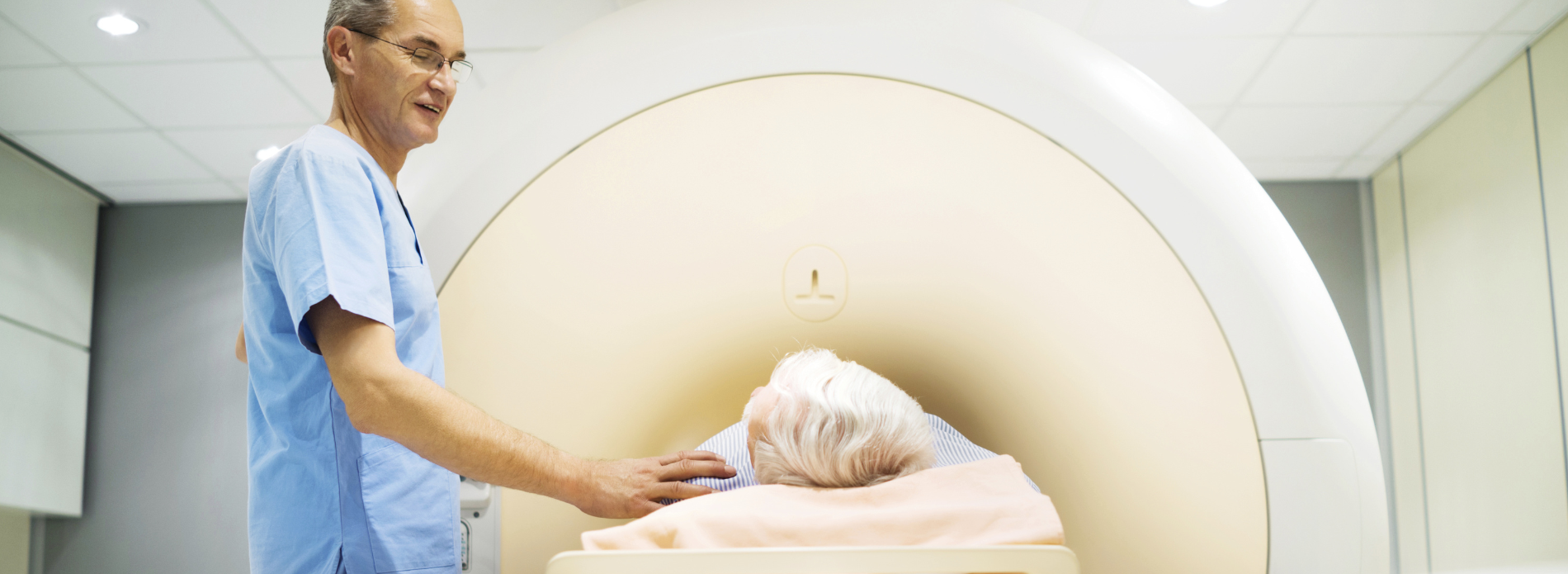
If symptoms are considered severe or persistent (over 8 weeks), despite conservative treatment, you might be referred for further diagnostic tests and potential specialist review.
These diagnostic tests will be used alongside the history and previous physical tests to help form a diagnosis and management plan.
Sciatica treatment at home
Approximately 90% of people with sciatica will get better without any medical intervention, with most cases improving within four to six weeks.2
Contrary to popular belief and, albeit tempting, bed rest is not recommended and can make symptoms worse.3
The most important thing to remember is movement = medicine. While sciatica can be frustrating, there are simple techniques you can try at home to relieve symptoms, these include:
Keeping active – gentle movement is crucial for recovery. Low impact activities like walking and stretching can help, as exercise helps improve blood flow, maintain muscle strength and improve flexibility. It is recommended to avoid sitting or lying for long periods and try to move little and often throughout the day.
Using hot/cold packs on your lower back – ice packs can be used in the initial 2-4 days of symptoms starting to help manage pain. Day 4 onwards, a combination of ice and heat throughout the day can help to further manage pain and relax the surrounding muscles.
Remember to check the skin regularly for signs of ice/heat burn and never place ice/icepacks/hot water bottle directly onto the skin (always wrap in a cloth or towel).
Taking effective pain relief – for example ibuprofen and other anti-inflammatory drugs may help to relieve pain and swelling. It’s always recommended to speak to your GP or pharmacist first.
Sciatica and sleep
It’s common for those with sciatica to experience pain when lying down. Here are our recommendations for a good night’s sleep with sciatica:
- If you sleep on your side, you may find it beneficial to use pillows between the legs to support the hip and/or a pillow behind the back to keep it in a comfortable position.
- If you sleep on your back, try putting a cushions or pillows under the knees to create a small elevation, which helps relieve pressure from the lower back.
When to seek urgent treatment
The NHS advises to go to A&E or call 999 if you:
- have sciatica on both sides,
- have weakness or numbness in both legs that's severe or getting worse,
- have numbness around or under your genitals, or around your bottom (anus),
- find it hard to start peeing, cannot pee or cannot control when you pee – and this isn’t normal for you,
- don’t notice when you need to poo or cannot control when you poo – and this isn’t normal for you.1
These could be symptoms of a serious back problem that needs to be treated in hospital as soon as possible.
Do not drive to A&E. Ask someone to drive you or call 999 and ask for an ambulance.
Bring any medicines you take with you.
What should I do if I suspect sciatica?
If there are no urgent signs or symptoms, then time and self-management can be a good start – remembering that tolerable movement is important from day one.
If there is no improvement in your symptoms, or they’re getting worse, contact your GP. They can formally diagnose your condition and refer you to the most appropriate health practitioner.
Our article, Top 10 exercises for a healthy back, is also well worth a visit for tips and exercises you can try to help manage lower back pain, as recommended by our musculoskeletal team.
References
- Sciatica - NHS
- How to relieve sciatica pain – Patient Info
- Sciatica home remedies and self-care – Harvard Medical School