Fitness used to be full of all-or-nothing attitudes, but the “no pain, no gain” era is making way for a much more holistic approach to being fit and active. If intense workouts and strict routines are not your thing, rejoice in knowing that fitness doesn’t have to mean pushing yourself to the limit (unless you want to, of course).
In fact, the best way to build long-term fitness is to make it steady, consistent, and enjoyable. If you’ve ever started strong only to lose motivation a few weeks later, it’s time to consider a more achievable approach.
Here’s how to find a way to move that adds to your life, instead of overwhelming it.
Why “all or nothing” fitness doesn’t work forever
Big fitness overhauls can feel motivating at first (that’s why New Year’s resolutions are still a thing) but going from beginner to several intense sessions a week can quickly lead to soreness, tiredness, or even potential injury.
It’s also important to allow your body to recover from your activity. The NHS highlight that it takes over 24 hours to recover from an intense session of exercise.1
When exercise feels too hard or time-consuming, it feels easier to throw in the towel completely, leading to a demotivating yo-yo of starting again.
Achievable fitness takes a different approach, gently focusing on realistic goals, small, consistent changes, and building habits you can maintain, so progress is enjoyable.
How to get fit without burning out
Fitness doesn’t have to mean hours in the gym or training for a marathon. There are plenty of ways to improve your strength, stamina, and mobility without pushing yourself too far:
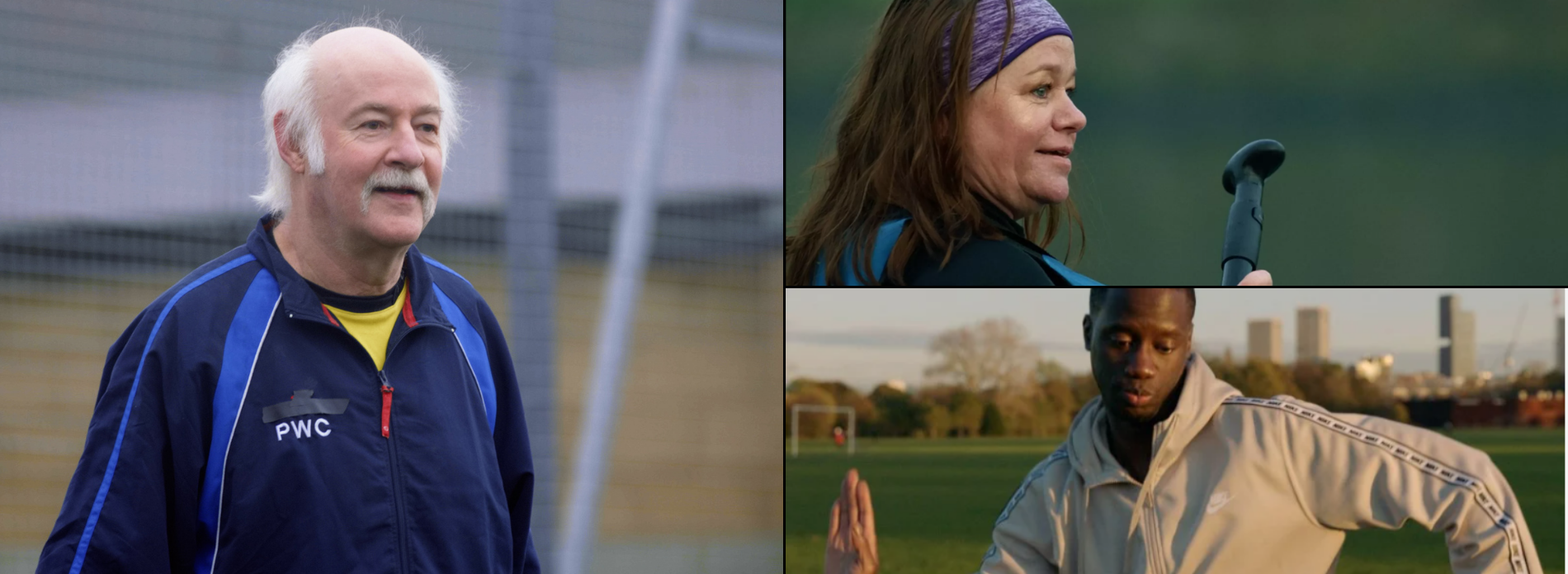
Mix up your routine
Doing the same workout or style of training can lead to boredom, potential injury, or a progress ‘plateau’. Variety challenges your mind and body in different ways, and trying something new can boost your confidence too. You could try:
- a new sport (or one you loved as a child),
- beginner-friendly group sessions,
- strength-based classes,
- circuit training,
- functional fitness,
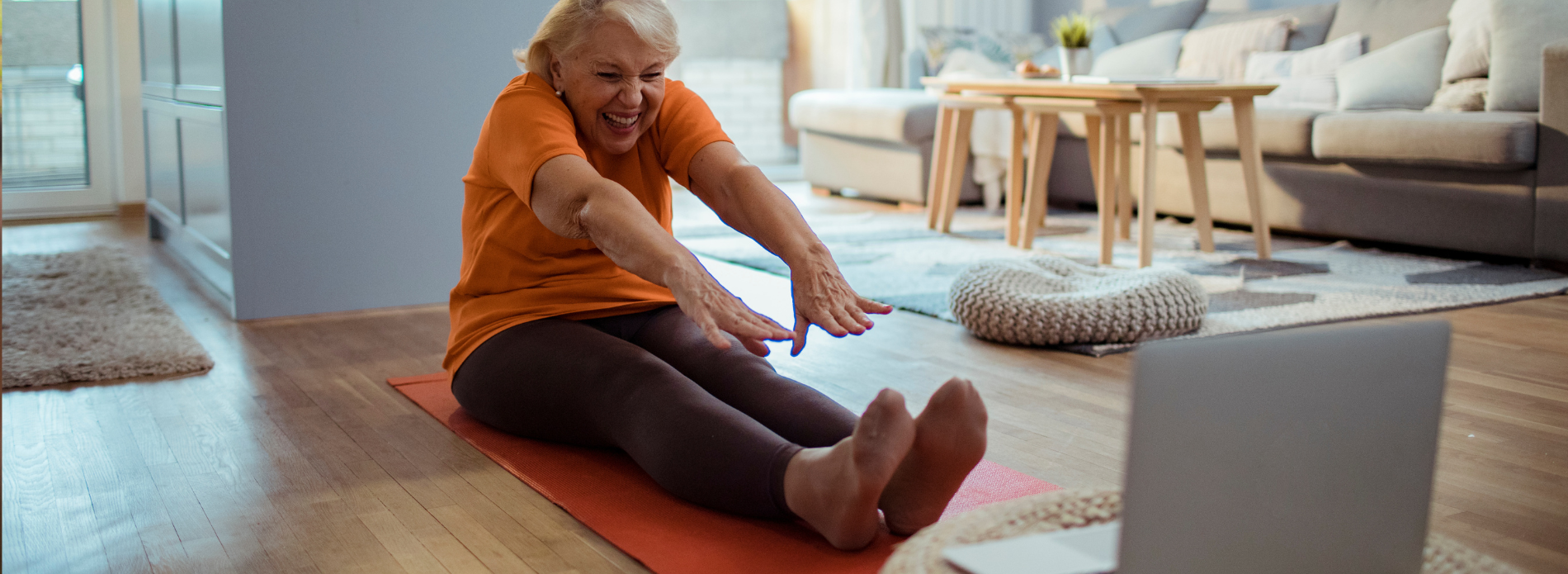
Explore different types of movement
Fitness isn’t just about going to the gym, in fact, plenty of people stay fit and healthy without ever visiting a gym floor.
- Swimming, for example, improves cardiovascular fitness and is gentle on the joints.
- Yoga supports flexibility, balance, and stress relief.
- Pilates builds core strength and posture.
- Walking outdoors is great for mood/mental health and heart health.
>Read more on the benefits of exercising outdoors
Different activities support different aspects of fitness and combining them can help look after your overall wellbeing.
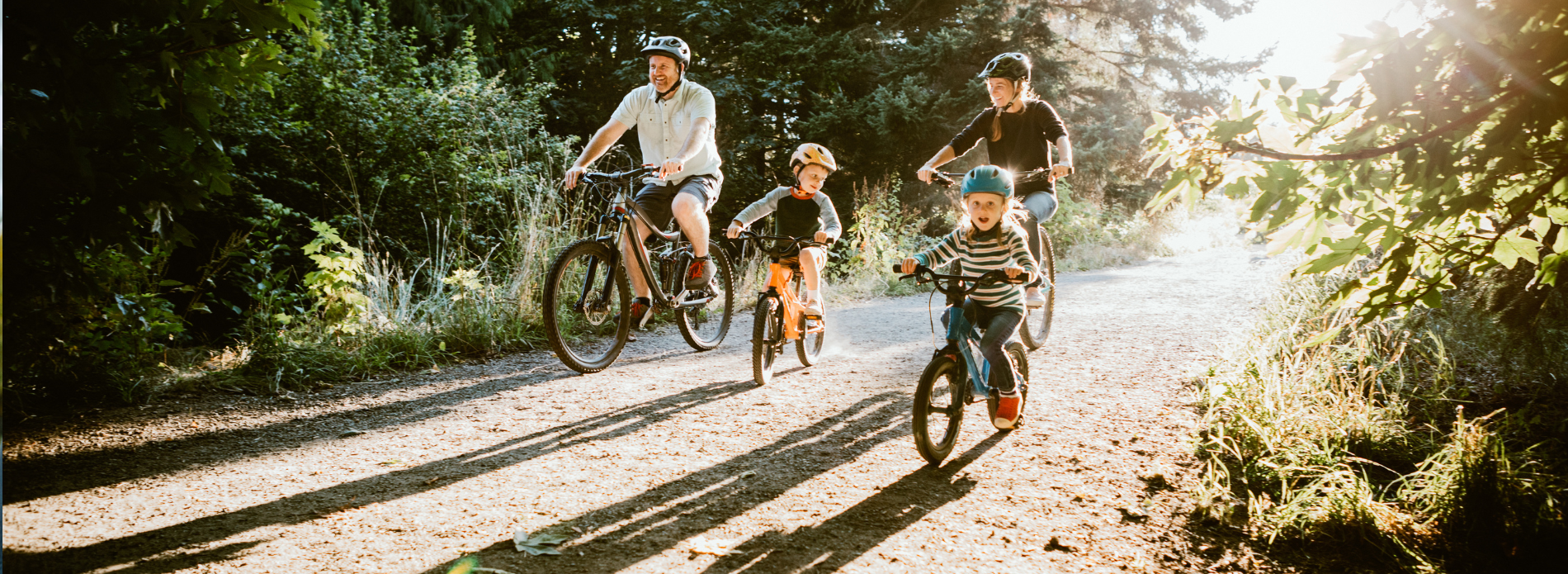
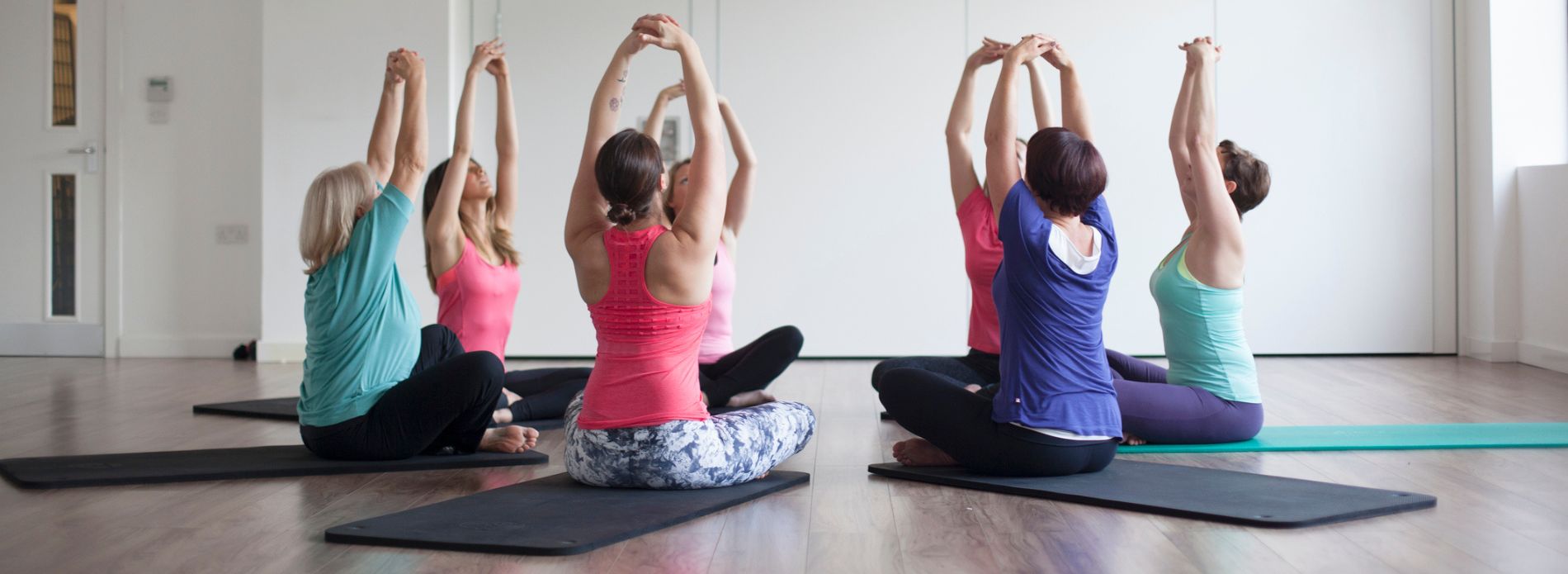
Enjoy movement with other people
Exercising with a friend or joining a class can make a big difference to your fitness routine. It adds accountability, structure, and social connection. You may find you enjoy it more - which makes you much more likely to keep going.
>Read more on the benefits of group exercise
The benefits of a realistic approach to fitness
When you take a steady, achievable approach to fitness, the benefits go beyond physical strength.
- Consistency – manageable sessions feel easier to repeat, and consistency is key to long-term results.
- Mental wellbeing - regular movement supports mood, reduces stress and can improve sleep. Achievable fitness feels positive not punishing.
- Long-term health - building repeatable habits supports heart health, bone strength and mobility to look after your future self, not just short-term results.
- Discovering what you enjoy - when you’re not focused on extremes, you’re more likely to find an activity to love. That might be something you stopped doing or something you haven’t yet tried.
- New skills – a rounded approach to fitness gives you much more than strength and cardiovascular fitness, it can improve your balance, co-ordination, flexibility, and body confidence.
How to keep momentum going
Anyone who’s tried a fitness challenge knows that continuing is often harder than getting started. Here are a few ways to stay motivated with your new fitness routine:
1) Set realistic goals
Instead of “I’ll go to the gym Monday-Friday before work”, try “I’ll move my body three times this week”.
2) Track progress kindly
Notice improvements in your energy, mood, strength or confidence - not just numbers on the scales.
3) Plan ahead
Book your classes, schedule fitness sessions in your calendar, or arrange to meet a friend.
4) Allow for the unexpected
Life gets busy, and beating yourself up for missing a session isn’t the vibe here. The key is getting back to it, not being perfect.
Fitness that fits your life
Achievable fitness is about finding movement that works for your schedule, your energy levels, and your interests. When exercise feels enjoyable, you’re far more likely to stick with it - and that’s where the real health benefits compound.
For more information and ideas on how to stay strong and healthy to support your lifestyle, visit our exercise and fitness hub.
References
- Recovery after exercise or physical activity - NHS Inform