

Navigating busy schedules can make staying active a challenge. For young girls entering secondary school, sports often take a backseat due to self-confidence, physical changes, time constraints, and societal pressures1. Similarly, parents face difficulty incorporating exercise into their lives amidst work commitments and family responsibilities.
Whether you're a parent, guardian, or influential figure in a child's life, you can make a positive impact2. Physical activity isn't just about fitness goals; it's about creating lasting memories. Make family fitness a shared experience—challenge each other, race to the supermarket, stroll to the park, or go on a bike ride. Be each other's motivation and champion.
We invited four families to the Melwood Training Centre to understand the importance of male role models and how dads can stay active with their daughters. The families met with Natasha Dowie, ex-professional women’s player, and ambassador for Liverpool Football Club, to discover how she and her dad, Bob, find their family fitness. Interested in their story? Watch the film below:
Feeling inspired?
Lauren Davenport, senior physiologist at AXA Health has put together some activities for you to try at home with your family:


Progress tracker
Need help staying motivated? Use a points system where each game earns you points.
The winner at the end of two weeks gets a prize, the loser gets a forfeit! Download our handy progress tracker to help you stay active with your family.
Top articles for exercise and fitness

5 fitness benefits of reducing your alcohol intake
Whether you focus on reducing alcohol intake in January or July, drinking less can make it easier to stay consistent with healthy habits. We explore the benefits of reducing your alcohol intake (and a few practical ways to keep going).
What is functional fitness training?
What is functional fitness and how does it work? We explore this form of training that focuses on building strength, flexibility, balance and coordination, so you can move better in everyday life.
Tips on how to develop attainable and achievable fitness goals
If intense workouts and strict routines are not your thing, rejoice in knowing that fitness doesn’t have to mean pushing yourself to the limit. Instead discover how to develop attainable and achievable fitness goals that you stick to.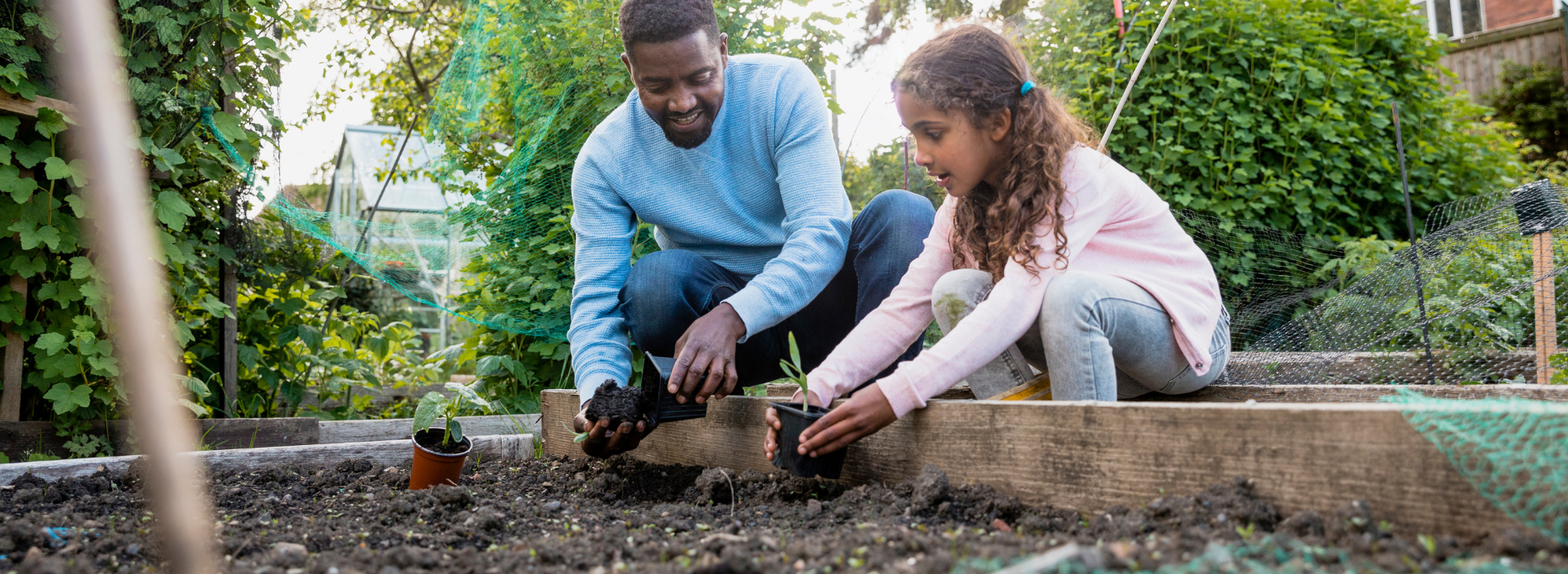
Health and fitness benefits of gardening
Regular exercise has a host of benefits, including keeping your heart healthy and strong. Find out here how you gardening can help you keep fit and healthy.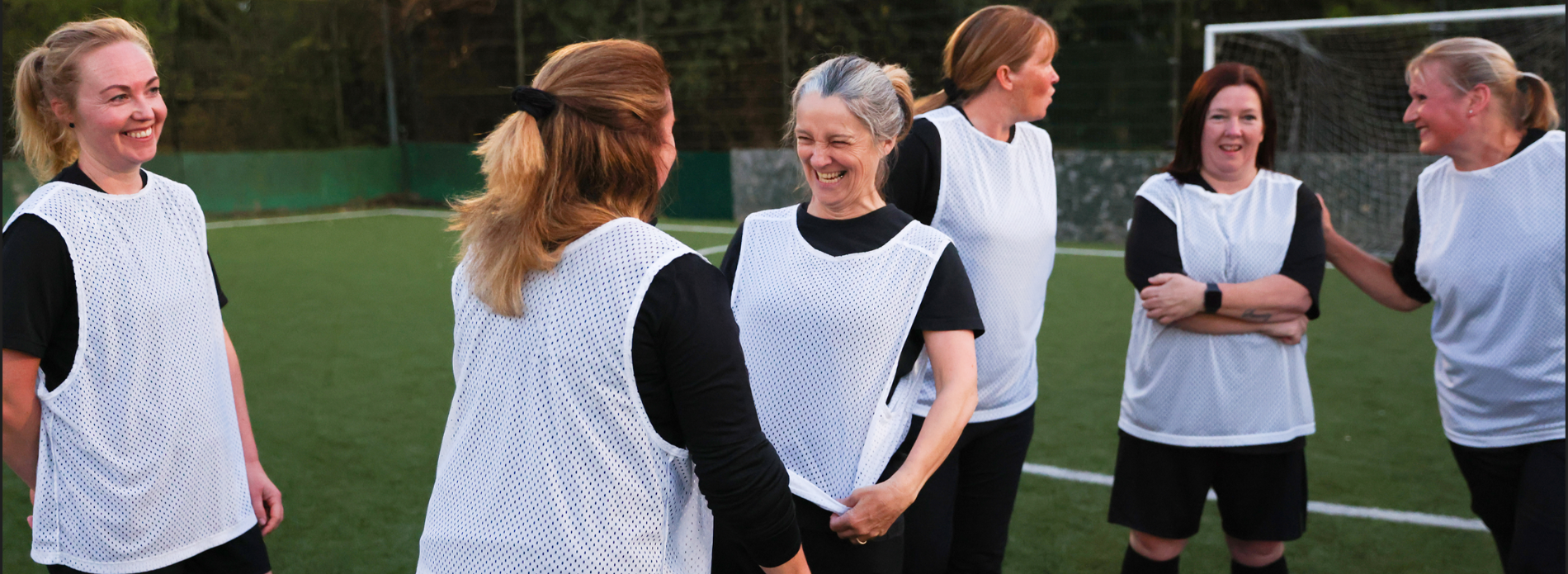
The benefits of group exercise
Doing exercise with friends is great for your morale because you’re more likely to commit to taking part and feel a sense of achievement as a result.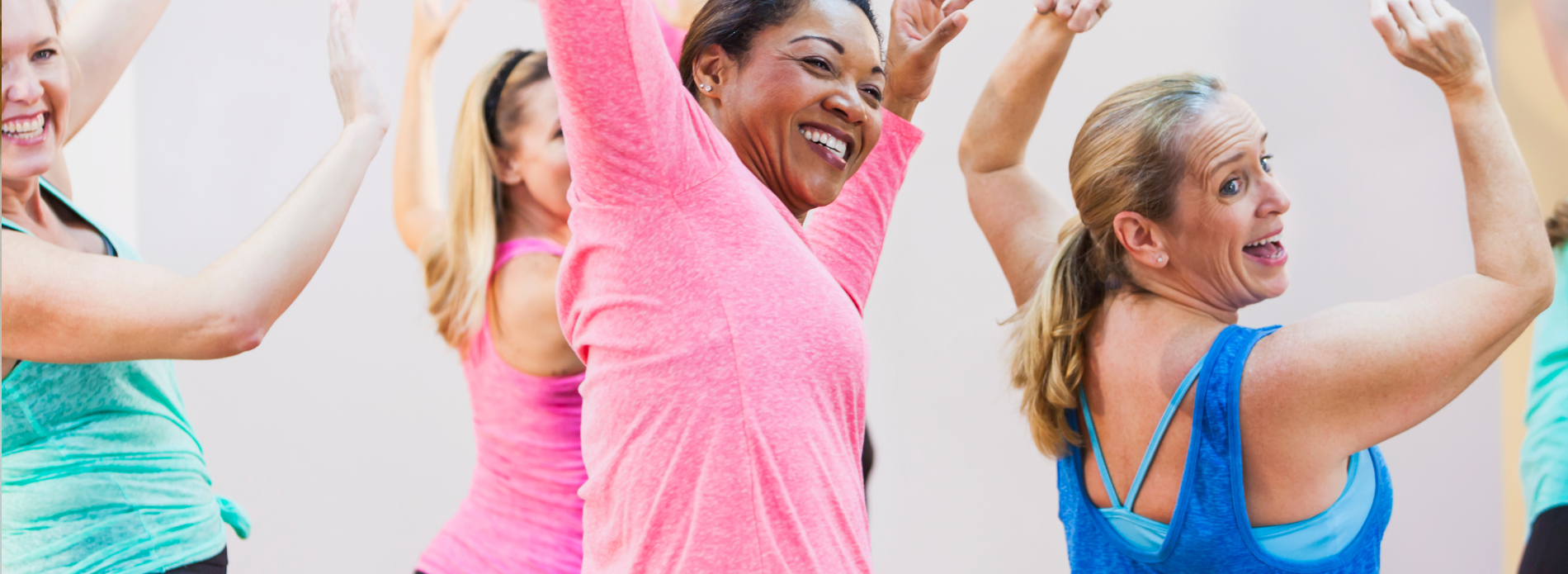
The health benefits of dancing
From shimmying round the kitchen while cooking up a meal, to getting the whole family up off the sofa to have a dance in front of the TV, dancing is one of those things that makes us feel good.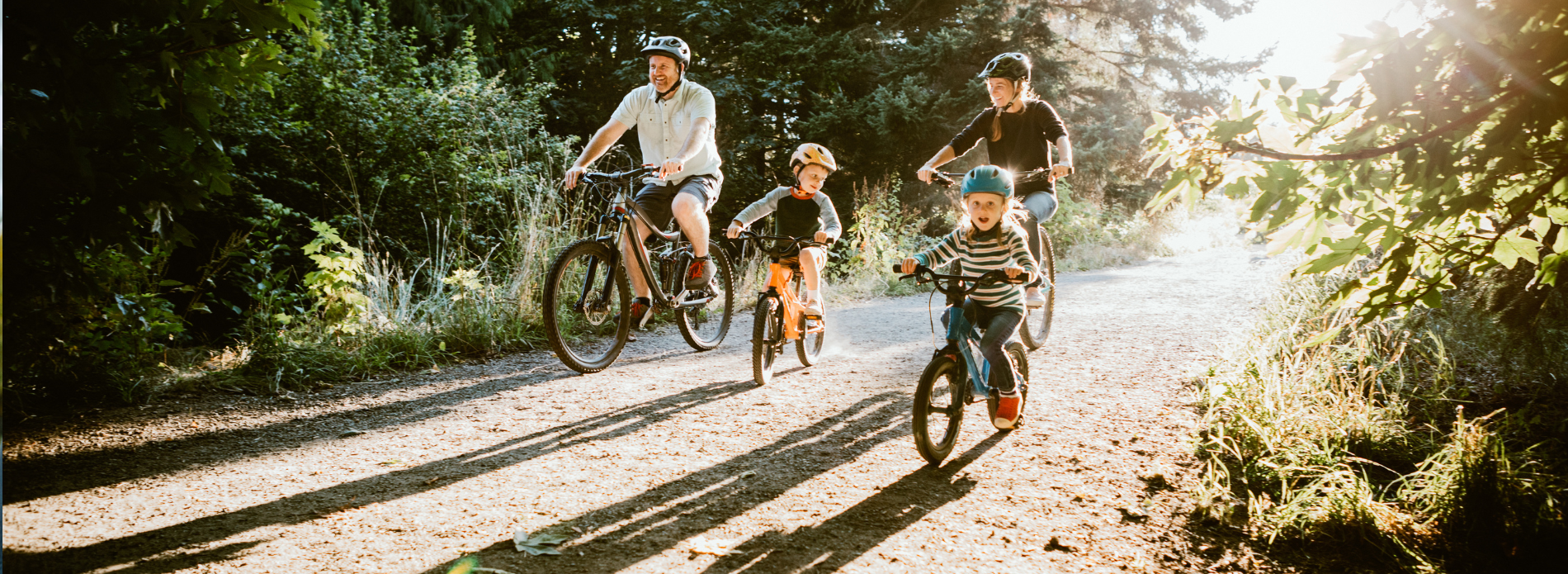
The importance of physical activity during childhood
Children need just as much structure and diversity in their exercise as adults but when they get older their relationship to physical activity can change. We explore how to encourage young people to stay active as they get older.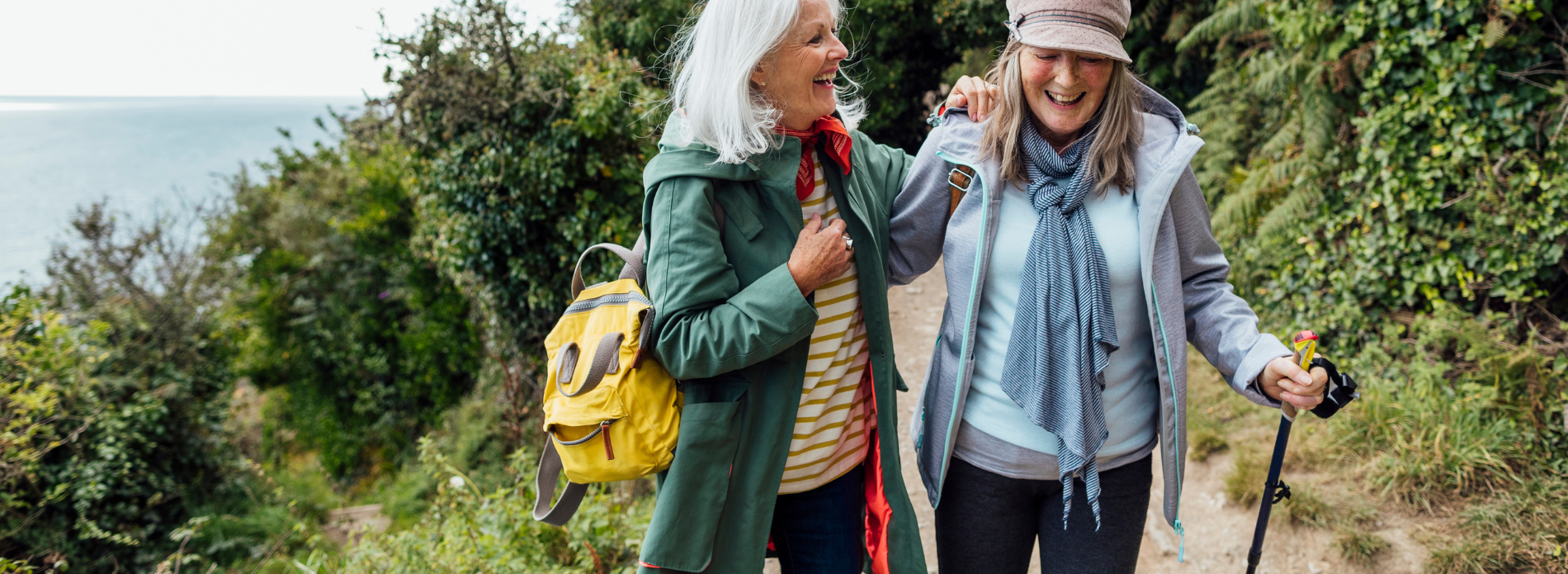
10 heart-healthy activities: alternatives to brisk walking
Brisk walking is a great form of moderate aerobic exercise, but if it’s not for you, here are 10 alternative activities you could try, that will also give your heart a work out.
What should I eat after exercising?
Refuelling your body after exercise is important to help repair and rebuild muscle tissue and replace lost energy stores. Let’s look at what can help refuel and repair your body after a workout.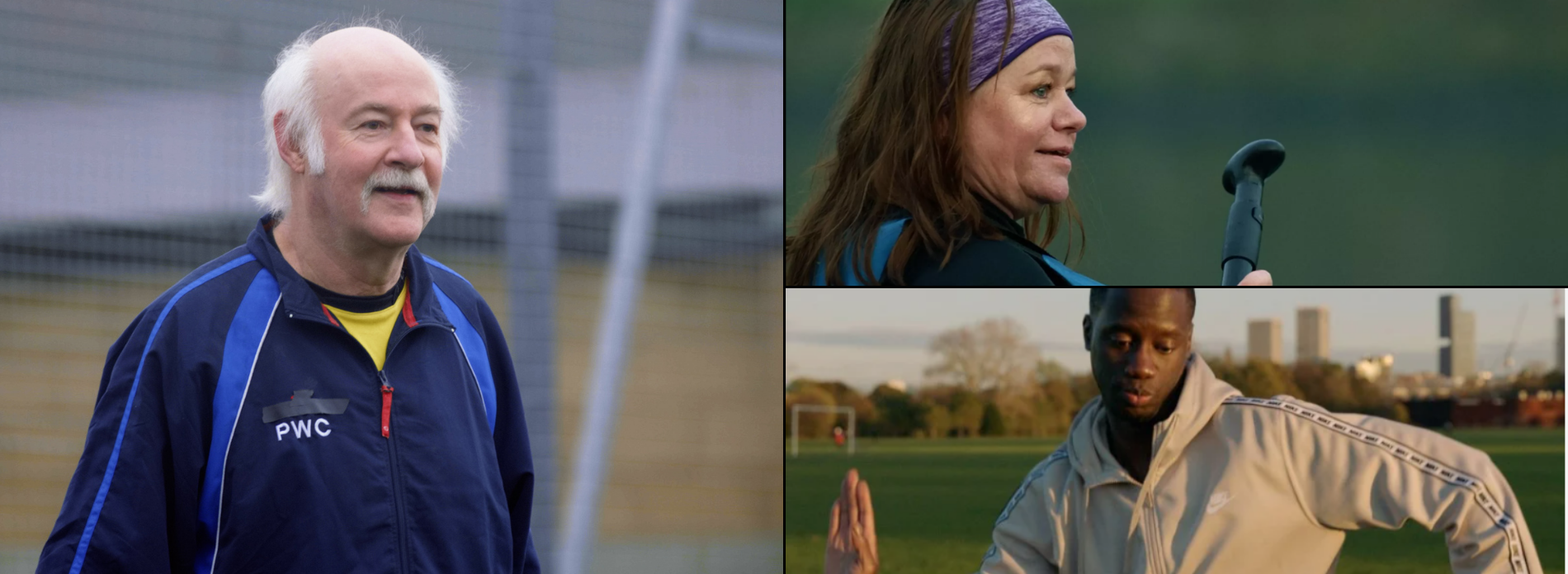
Real Feelgood Health journeys
Meet Carmen, Lee, Paul and Alex, and watch how they found unexpected joy in activities that had a surprisingly positive impact on their health and wellbeing.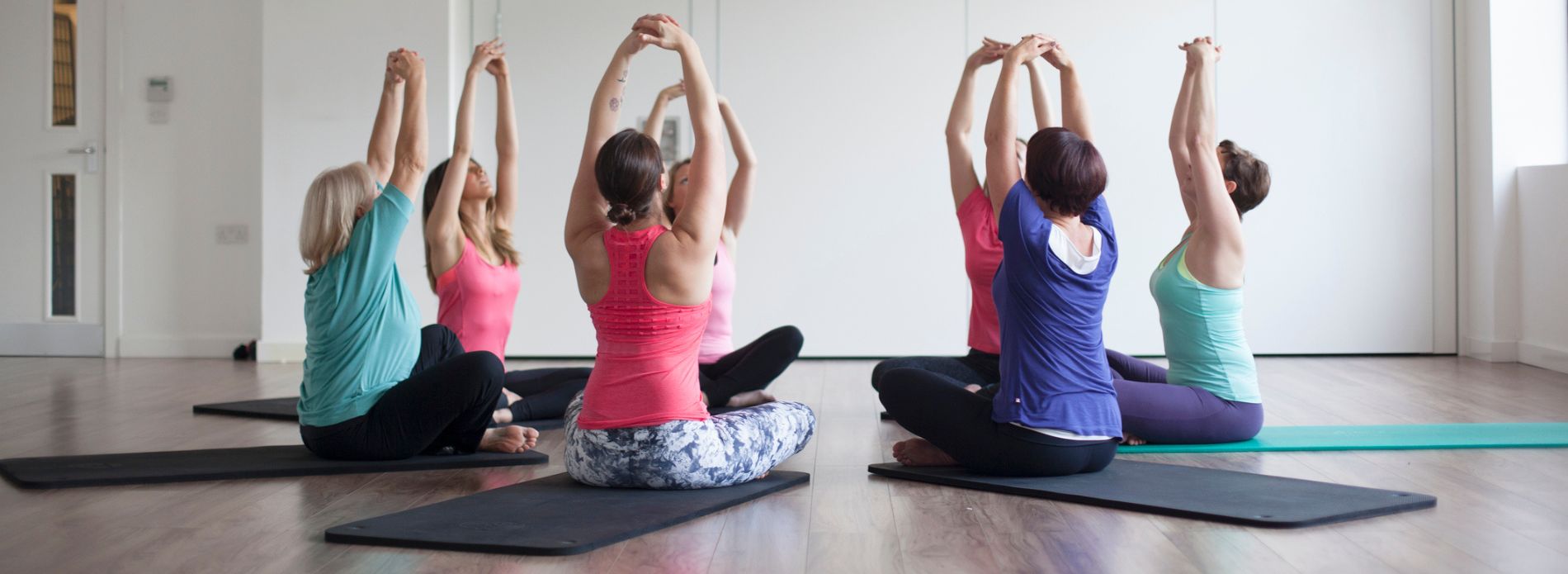
Mythbusters: yoga facts and fiction
There are many myths surrounding yoga that can put some people off. We're however, sorting the fact from the fiction and highlighting the flexibility of the practice.