Dry January is one of the most popular wellbeing resets in the UK, but it doesn’t have to be the only time you cut back on alcohol. Taking a break from drinking has proven benefits for your health, sleep, mood, fitness levels and even your bank balance.
Whether you focus on reducing alcohol intake in January or July, drinking less can make it easier to stay consistent with healthy habits.
If you’re thinking about cutting down or just curious to better understand this topic, here are some of the benefits of reducing your alcohol intake (and a few practical ways to keep going).
1. Better sleep and recovery
Sleep is where your body repairs muscle tissue, regulates appetite, and restores your nervous system.
Even a couple of drinks can reduce the quality of your sleep. If you fall asleep more quickly, you’re likely to wake in the night and spend less time in deep sleep; making you less motivated to exercise.
2. More consistent engagement in exercise
Alcohol can leave you feeling sluggish the next day, with less physical and mental energy for movement. This might mean you skip a workout or give it less effort.
Cutting down on alcohol can mean your energy and motivation are more stable, making it easier to stick to your training plan, which is especially important if you’re building a new habit.
3. Hydration and performance
Alcohol is dehydrating, and dehydration affects everything from endurance and strength to focus and coordination. Reducing alcohol usually leads to better hydration, which supports performance, circulation, recovery, and general wellbeing.
4. Healthier food choices
Alcohol can disrupt blood sugar and appetite signals and lower your inhibitions around food. That’s why post-drink snacking is so common, and why the next day can be full of cravings.
When you drink less, you’ll be more in tune with your hunger and feel able to make healthier food choices to fuel your workouts.
5. Better results from exercise
If you’re exercising regularly, drinking less can help you get more from your efforts.
Alcohol can affect muscle recovery and make it harder to build strength and fitness. As alcohol is high in calories, reducing it can be a quick-win way to support body composition goals.
Can engagement in fitness activities replace alcohol consumption?
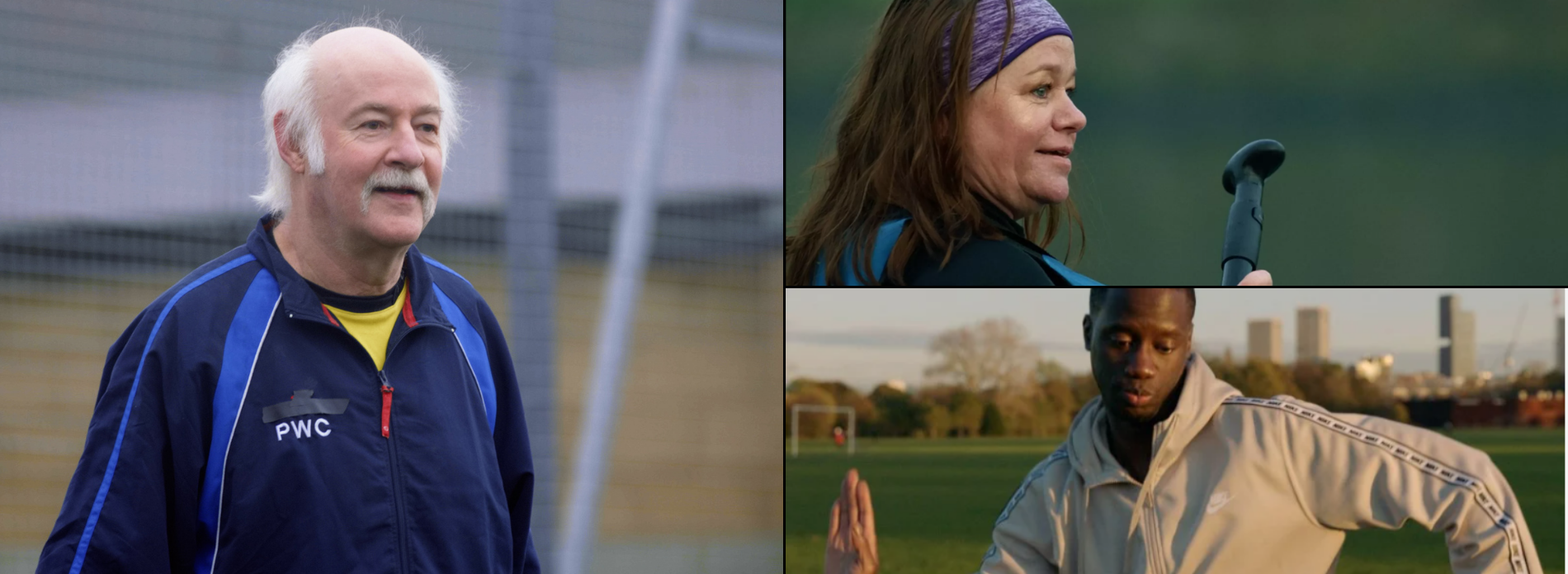
Drinking often plays a role in stress relief, relaxation, and social connection. The great news is that fitness can give you these benefits too, and they last longer.
- For stress relief: swap an evening drink for a walk or workout. Even 20 minutes can reduce levels of the body’s stress hormones and improve overall mood.
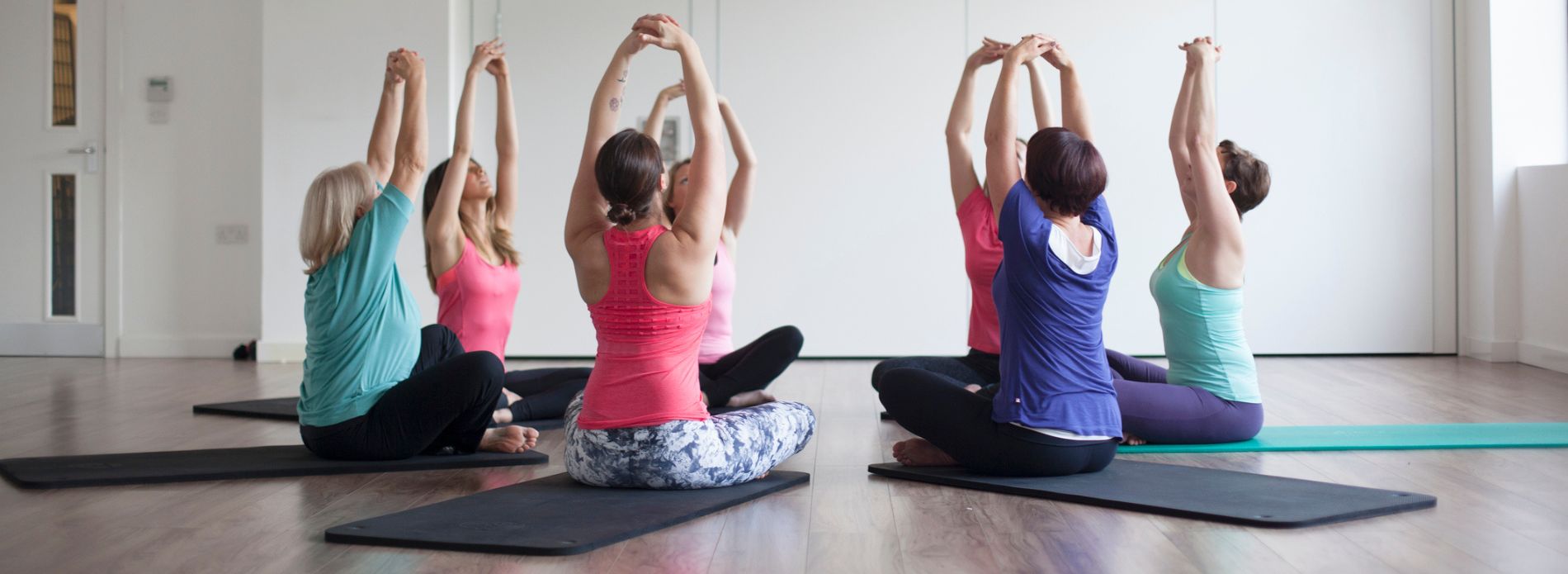
- For relaxation: create a new routine (a favourite alcohol-free drink, sauna session, yoga class).
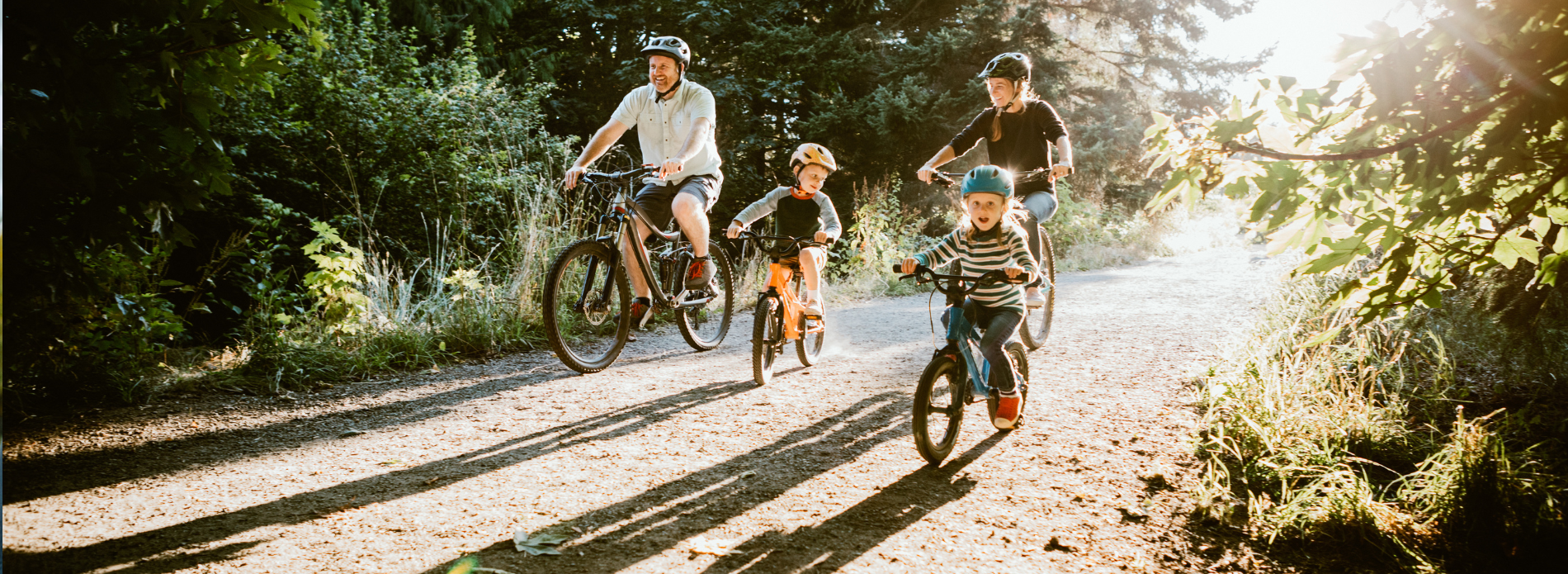
- For social connection: try fitness classes, sports sessions, or workouts with a friend for a community that doesn’t gravitate towards drinking.
Smart swaps to reduce your alcohol consumption
Small changes make a big difference when you want to keep your sober streak going. Here are 5 of our favourites:
- Keep your hands busy: crafting, puzzles, journalling, gaming, knitting - anything that breaks the habit of pouring a drink.
- Use a delay technique: tell yourself you can have a drink after 15 minutes (cravings usually pass once you’ve started something else).
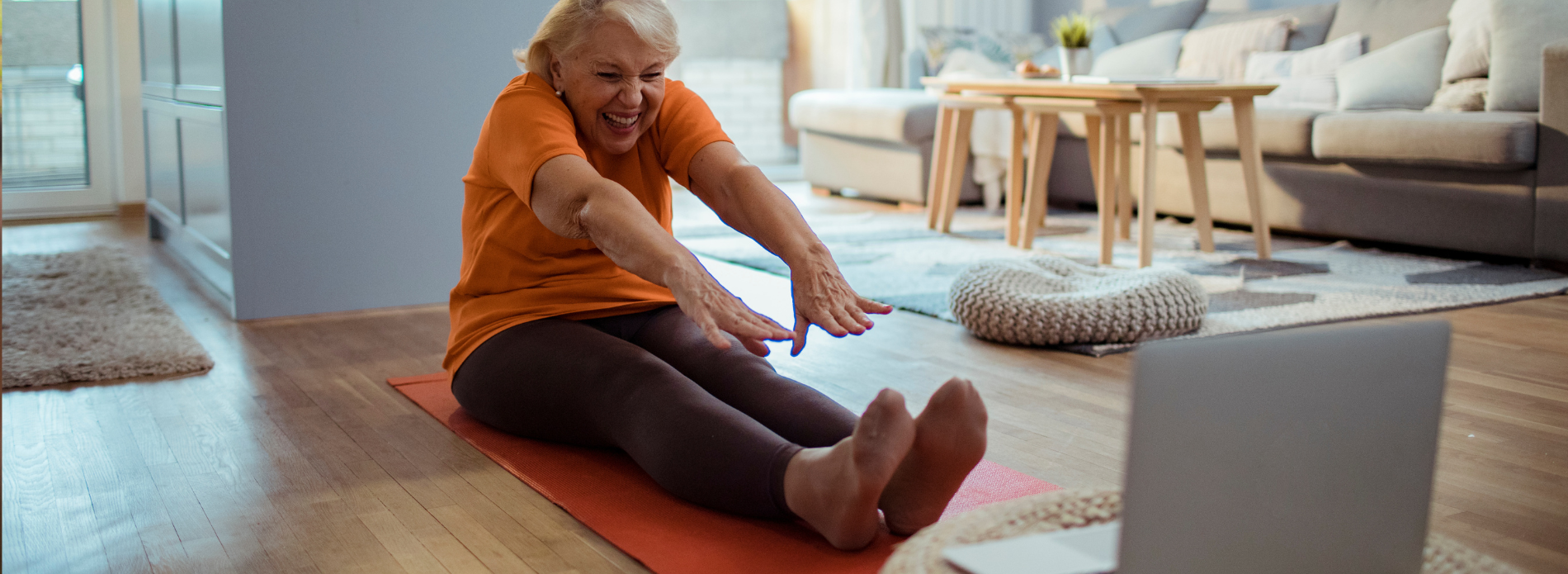
- Plan a post-work routine: structure reduces mindless drinking, so plan a workout class, gym session, walk, or stretch routine.
- Choose alcohol-free options: non-alcoholic beers and spirits or sparkling water with citrus and ice can hit the spot without alcohol.
- Focus on today: it can be more realistic and less daunting to think about reducing alcohol than all-or-nothing rules.
For more information and inspiration on how to stay healthy through smart food and drink choices, visit our diet and nutrition hub.
Reducing alcohol doesn’t mean missing out. It often means you gain things back, including more energy, better sleep, improved mood, more motivation, and a healthy relationship with fitness.